The Healing Machines: How Robotics is Rewiring the Future of Medicine
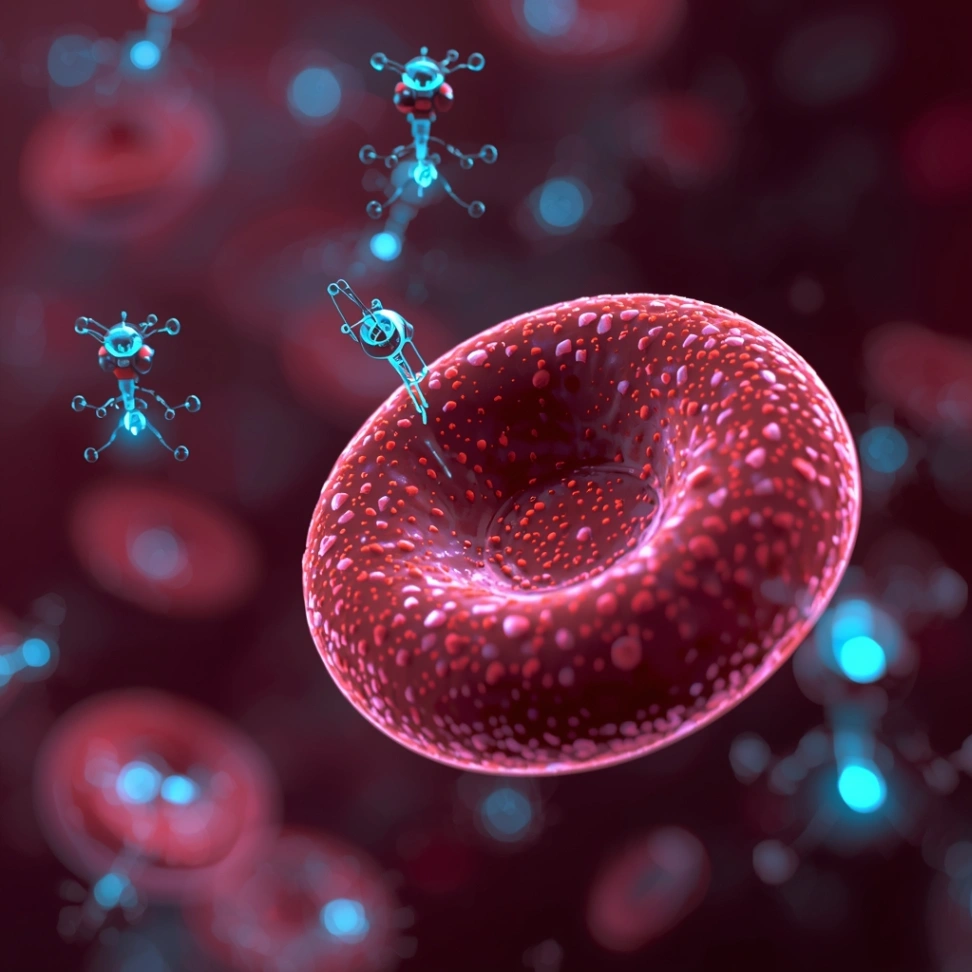
From microscopic nanobots fighting disease from within to AI-driven surgical arms performing with superhuman precision, discover how robotics is not replacing doctors, but giving them superpowers to transform healthcare as we know it.
The Future is Now For decades, pop culture has painted a picture of robots either destroying the world or doing our laundry. But the true robotic revolution is happening much more quietly—inside operating rooms, laboratories, and even our own bloodstreams. The intersection of artificial intelligence and robotics is completely changing how we diagnose, treat, and heal the human body. Surgical Superheroes If you think a surgeon’s hands are steady, wait until you see a robot's. Robotic-assisted surgery is no longer a futuristic concept; it is happening right now. Systems like the da Vinci Surgical System allow doctors to perform complex, delicate procedures with unmatched precision. Minimally Invasive: Smaller incisions mean less pain and faster recovery times for patients. Zero Tremors: Robotic arms eliminate the natural micro-tremors of human hands. 3D Vision: Surgeons get high-definition, magnified views of the surgical site. The Nanobot Revolution Imagine a doctor so small it can swim through your veins. Nanobots—microscopic robots roughly the size of a few atoms—are the next frontier in medical science. While still largely in the research phase, their potential is mind-blowing: Targeted Drug Delivery: Instead of flooding the entire body with harsh chemicals (like in traditional chemotherapy), nanobots could deliver medication directly to cancer cells, leaving healthy tissue untouched. Cellular Repair: These microscopic machines could theoretically repair damaged DNA or clear plaque from arteries, preventing heart attacks before they happen. Beyond the Scalpel: Caregivers and Companions Not all medical robots hold scalpels. As the global population ages, healthcare systems are facing unprecedented strain. This is where companion and physical therapy robots step in. Exoskeletons are already helping paralyzed patients walk again by reading nerve signals and translating them into mechanical movement. Meanwhile, socially assistive robots are being deployed in nursing homes to monitor patients, remind them to take medication, and even combat loneliness. The Human Touch Remains The rise of medical robots doesn’t mean the end of human doctors. A machine cannot hold a patient's hand, show empathy, or make complex ethical decisions. Instead, robots are the ultimate tools. They handle the precision and the heavy lifting, freeing up doctors to do what they do best: care for the human being in front of them.